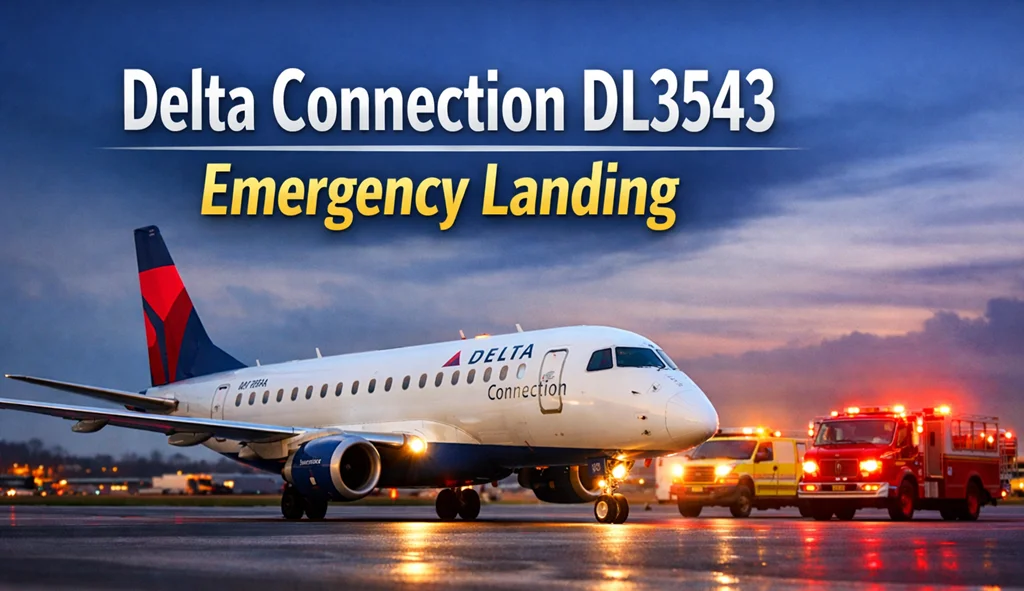
Understanding Delta Connection DL3543: Flight Details and Route
Delta Connection DL3543 operates as a regional flight under the umbrella of Delta Air Lines, known for its extensive network and reliability. This specific flight primarily serves the route between New York’s LaGuardia Airport (LGA) and Boston Logan International Airport (BOS). It is crucial to understand that regional flights like DL3543 are integral to connecting major hubs and facilitating travel within the United States.
The aircraft typically used for Delta Connection DL3543 is a Bombardier CRJ-900, a popular regional jet known for its comfort and efficiency. This aircraft is designed to accommodate a moderate number of passengers while providing the essential amenities expected by travelers. The CRJ-900 can handle short to medium-haul flights effectively, making it well-suited for the operational demands of DL3543.
Delta Connection DL3543 usually departs from LaGuardia Airport, an important gateway for flights on the East Coast, and is scheduled to arrive at Logan International Airport in approximately one hour. The flight duration is subject to variations caused by several factors, including weather conditions and air traffic. Despite these potential delays, Delta strives to maintain its reputation for punctuality and service quality.
Understanding the flight operations of Delta Connection DL3543 offers insights into the complexities of regional airline services. These flights not only enhance connectivity between major cities but also play a vital role in the overall strategy of commercial aviation. An emergency landing, such as that which occurred with DL3543, highlights the importance of safety protocols and operational preparedness in regional airlines.
The Events Leading Up to the Emergency Landing
The Delta Connection DL3543 embarked on its journey from the departure airport under ordinary circumstances, with the flight crew having conducted standard pre-flight checks. The aircraft took off without incident, initially cruising at an altitude typical for regional flights. Shortly after reaching cruising altitude, the flight encountered an unexpected anomaly in the aircraft’s systems. The flight crew, trained and experienced, promptly began assessing the situation.
Weather conditions prior to takeoff had been manageable, with no significant weather warnings affecting flight safety at the time. However, as the flight progressed, changes in atmospheric conditions became evident. While no severe weather was reported, the crew observed fluctuations that raised their concerns regarding the aircraft’s performance. The Delta Connection DL3543 operated under flight rules that necessitate constant vigilance; hence the flight crew’s immediate response to perceived anomalies was critical.
In addition to environmental factors, reports surfaced regarding potential technical issues within the aircraft. The crew noted fluctuations in engine performance that necessitated further investigation. Passengers began to express discomfort, underscoring concerns about the aircraft’s stability and overall safety. It was a combination of these factors—engine performance issues, passenger discomfort, and changing conditions—that led the crew to evaluate the option of performing an emergency landing.
The decision to divert and execute an emergency landing was not taken lightly. It involved a thorough consideration of the surrounding circumstances, including the need to ensure the safety of all onboard. Ultimately, the flight crew acted decisively, prioritizing safety and adhering to protocol, setting the stage for the emergency landing of Delta Connection DL3543.
Details of the Emergency Landing: Procedure and Response
On February 11, 2023, Delta Connection flight DL3543 experienced a critical situation that led to an emergency landing. The flight, operated by a Bombardier CRJ-200, was en route from Boston to Washington, D.C., when the crew detected a mechanical anomaly. Recognizing the potential severity of the issue, the flight crew followed established emergency procedures to ensure the safety of all passengers and crew on board.
Upon identifying the problem, the captain immediately communicated with the first officer and assessed the situation to confirm the nature of the malfunction. The decision-making process was crucial; the crew conducted a risk assessment based on their training and the parameters of the mechanical issue. Subsequently, they initiated the protocol for an emergency landing.
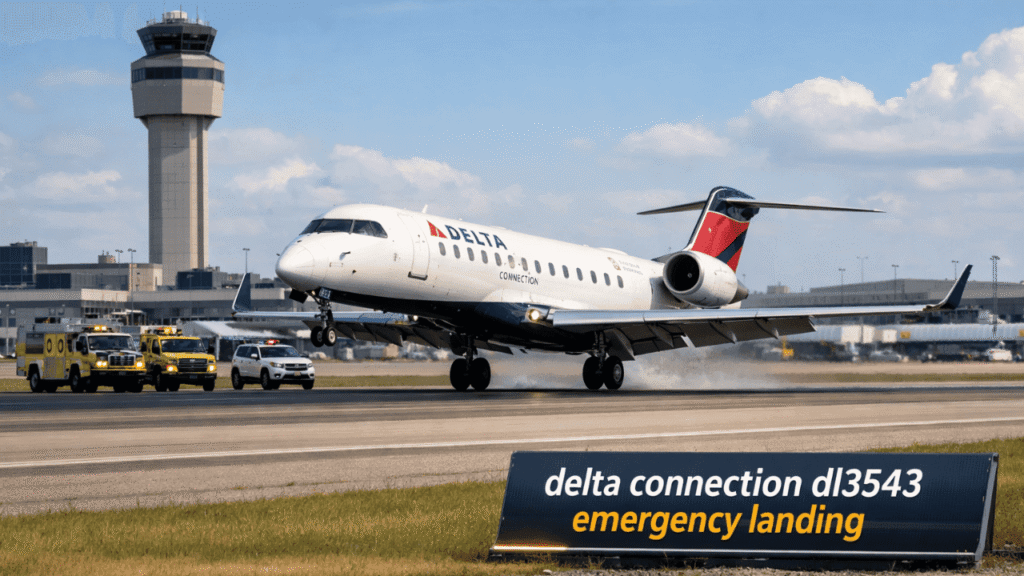
The crew promptly contacted air traffic control (ATC) to report the situation and request priority landing clearance at the nearest airport. The communication with ATC was efficient, allowing the pilots to relay key information regarding their altitude, location, and the nature of the emergency. Subsequently, ATC guided Delta Connection DL3543 towards the nearest suitable airfield for landing, coordinating with ground services to ensure adequate preparations were in place.
As the aircraft approached the designated airport, the crew executed the emergency landing protocols, which included briefing passengers about brace positions and ensuring that all safety measures were in play. Upon touchdown, ground emergency services were on high alert. Firefighters and emergency responders were positioned on the runway to address any potential hazards arising from the emergency landing.
Once the plane had safely landed, emergency personnel swiftly boarded the aircraft to conduct an assessment and provide additional assistance to the passengers. The efficient execution of emergency procedures and the prompt response of airport services contributed significantly to maintaining passenger safety throughout the incident.
Aftermath of the Incident: Passenger Experience and Investigations
The aftermath of the Delta Connection DL3543 emergency landing ushered in a wave of mixed emotions among the passengers aboard the flight. Once the aircraft touched down safely, the immediate concern focused on the well-being of those on board. Cabin crew members acted swiftly to ensure that all passengers remained calm and accounted for, facilitating a structured evacuation process once the plane came to a halt. Passengers expressed relief and gratitude, albeit interspersed with anxiety about the circumstances surrounding the emergency landing.
In the wake of the incident, it became apparent that the safety of passengers was paramount. Many individuals reported feeling shaken yet appreciative of the crew’s professionalism during the unsettling event. Medical personnel met the passengers at the landing site for any necessary evaluations, emphasizing the airlines’ commitment to ensuring health and safety. Although physical injuries were minimal, psychological impacts such as stress and anxiety were noted among several passengers, leading to discussions about providing support services.
Meanwhile, aviation authorities initiated thorough investigations into the circumstances that led to the Delta Connection DL3543 emergency landing. This involved gathering data and information from various sources, including the aircraft’s black box, maintenance records, and crew testimonies. Such investigations are crucial for determining whether any operational deficiencies contributed to the incident, paving the way for future preventive measures. Furthermore, the outcome of these evaluations may have wide-ranging implications for Delta Air Lines and the regional aviation industry, sparking dialogue about safety protocols and pilot training. The goal remains to reinforce the trust of passengers while enhancing safety regulations across all platforms.
