The History of Pizza: From Its Origins to Pizza Edition
The journey of pizza can be traced back thousands of years to ancient civilizations. The earliest form of pizza appeared in the Mediterranean area, notably in ancient Greece, where flatbreads were topped with various ingredients. These rudimentary versions were far from what we consider pizza today; however, they laid the groundwork for this beloved dish.
During the 18th century, pizza began to take on a form closer to what we recognize now, particularly in Naples, Italy. The birth of the Napoli-style pizza came with the introduction of tomatoes in European cuisine, leading to the creation of the famous Margherita pizza in 1889. This particular dish showcased the colors of the Italian flag, with its vibrant red tomatoes, white mozzarella, and green basil. The Margherita’s popularity not only illustrates the evolution of pizza but also marks a significant cultural moment in its history.
The rise of pizzerias also contributed to the spread of pizza beyond Italy. The first documented pizzeria, Antica Pizzeria Port’Alba, opened in Naples in 1830, allowing locals and travelers alike to enjoy this innovation. By the late 19th and early 20th centuries, waves of Italian immigrants carried pizza to America, where it rapidly transformed. New York City and Chicago became pivotal centers of pizza culture, giving birth to various regional styles that reflect local tastes. The introduction of the “Pizza Edition” encapsulates this evolution, connecting diverse influences and flavors into a contemporary format that pays homage to its historical roots and diverse interpretations.
Understanding the Different Styles of Pizza in Pizza Edition
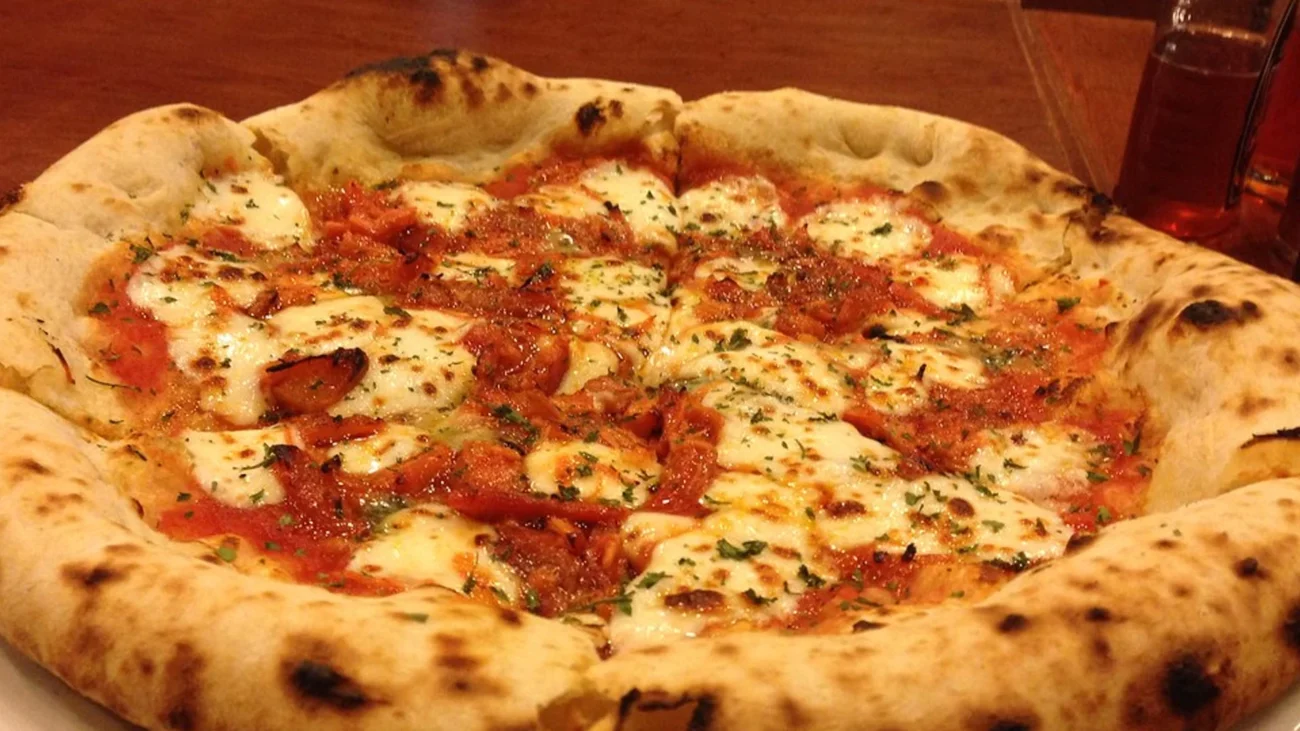
The world of pizza features a myriad of styles, each offering a unique taste experience that embodies regional influences and culinary creativity. In the Pizza Edition, we explore several popular varieties, beginning with Neapolitan pizza. This traditional style, originating from Naples, Italy, is characterized by its soft, chewy crust, simple ingredients, and quick cooking time in a wood-fired oven. It typically features San Marzano tomatoes, fresh mozzarella, basil, and a drizzle of olive oil, resulting in a harmonious blend of flavors that celebrates authenticity.
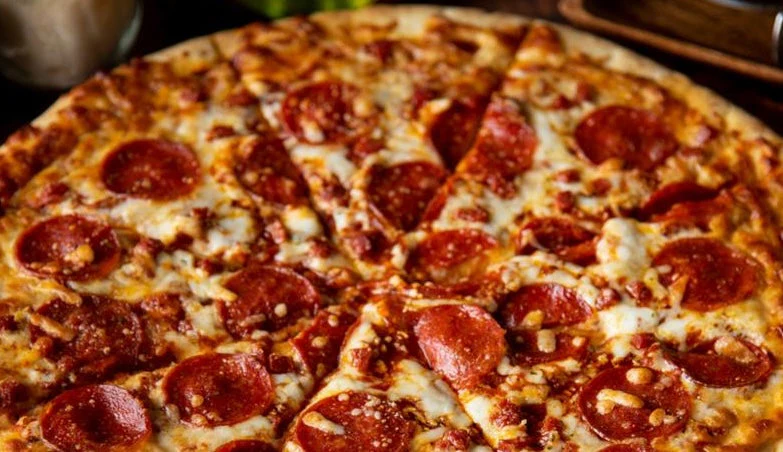
Another widely recognized style is New York-style pizza, which boasts a thin, yet foldable crust that allows for easy eating on the go. The pizza is generously topped with tomato sauce and mozzarella cheese, often complemented by a variety of toppings, such as pepperoni, vegetables, and more. Its signature characteristic—the ability to be eaten as a large slice—has made it a street food favorite.
Moving away from the classic thin crust, deep-dish pizza presents an alternative with its thick, buttery crust that resembles a pie. Originating from Chicago, this style contains layers of cheese, meat, and vegetables, all topped with chunky tomato sauce. The baking method, which requires a deeper pan, ensures a hearty and filling meal, perfect for those seeking substantial sustenance.
Additionally, the Pizza Edition recognizes the growing demand for gluten-free options. These pizzas utilize alternative crusts made from cauliflower, almond flour, or other gluten-free grains. While they cater to dietary restrictions, these modern variations have also gained popularity for their unique textures and flavors.
In conclusion, the Pizza Edition offers a rich tapestry of diverse styles and flavors that cater to all palates, enhancing our appreciation for this beloved dish. Each type brings a unique twist to the table, inviting enthusiasts to explore beyond their familiarity with pizza.
Crafting the Perfect Pizza: Tips and Recipes for Pizza Edition
Creating an exceptional pizza at home is an engaging culinary endeavor that caters to various tastes and preferences. The foundation of any great pizza lies in the dough, which can be prepared from scratch using just a few simple ingredients: flour, water, yeast, and salt. To achieve the coveted crust texture, it is essential to knead the dough thoroughly, allowing for good gluten development. After kneading, let the dough rise in a warm environment for at least one hour, or until it has doubled in size. This resting period contributes to the dough’s flavor and texture.
When it comes to selecting ingredients for the ‘Pizza Edition’, freshness is paramount. Choose high-quality sauces, cheeses, and toppings to elevate your pizza-making experience. A classic Margherita pizza typically features a base of tomato sauce, fresh mozzarella cheese, and basil, emphasizing simplicity and flavor. For a contemporary twist, consider adding ingredients like arugula, prosciutto, or even unique cheeses such as gorgonzola. Remember to balance flavors—if you are using a spicy topping, complement it with milder counterparts.
Baking techniques also play a fundamental role in achieving the best results. A preheated oven at a high temperature, around 475°F (245°C), is ideal for pizza. For optimal crispiness, use a pizza stone if available, which helps replicate the conditions of a traditional pizza oven. Once your pizza is assembled with chosen toppings, place it carefully in the oven and bake for about 10-12 minutes, keeping a close eye to prevent burning.
For those looking to unleash their creativity, experiment with different sauces like pesto or BBQ, and alternative crusts such as cauliflower or whole grain. These variations provide both customization and excitement to your pizza-making journey, transforming each pizza into a unique culinary expression.
In conclusion, the process of crafting your own pizza allows for an enjoyable exploration of flavors and techniques. By following these tips and trying out the suggested recipes, anyone can enjoy creating their very own pizza edition tailored to their personal preferences.
The Future of Pizza in the Pizza Edition Era
As we delve into the future of the pizza industry in the context of the ‘Pizza Edition,’ it is crucial to recognize the evolving consumer preferences and the technological advancements shaping this dynamic landscape. One of the most notable trends is the increasing demand for plant-based toppings. With health-conscious consumers seeking alternatives to traditional meats, many pizzerias are investing in innovative ingredients such as jackfruit, mushrooms, and plant-based cheeses. This shift not only aligns with the broader trend of sustainable eating practices but also caters to a growing vegetarian and vegan demographic.
Moreover, the health-conscious movement is prompting pizza makers to explore alternatives that offer lower calories and enhanced nutritional profiles without sacrificing flavor. Whole grain crusts, gluten-free options, and an array of fresh vegetables are becoming staples on menus. By providing these options, pizzerias enhance their appeal to those looking for guilt-free indulgence, thus ensuring they remain relevant in an ever-competitive market.
The impact of technology cannot be overstated in this era of the ‘Pizza Edition.’ Innovative delivery systems, such as drone deliveries and automated ordering processes, are being developed to improve convenience for consumers. Additionally, pizza customization apps are becoming more sophisticated, allowing customers to tailor their orders in real-time, selecting from a myriad of toppings and dietary preferences. This level of personalization not only elevates the consumer experience but also fosters greater customer loyalty.
As the culinary landscape continues to evolve, we can anticipate that the ‘Pizza Edition‘ will usher in a new era of diverse and health-focused options. Adapting to these trends will be vital for pizza businesses aiming to thrive in this vibrant future, ultimately redefining how pizza is perceived and consumed across the globe.
